Weight Loss vs Fat Loss: What Most People Get Wrong
Jan 28, 2026 • 5–8 minutes
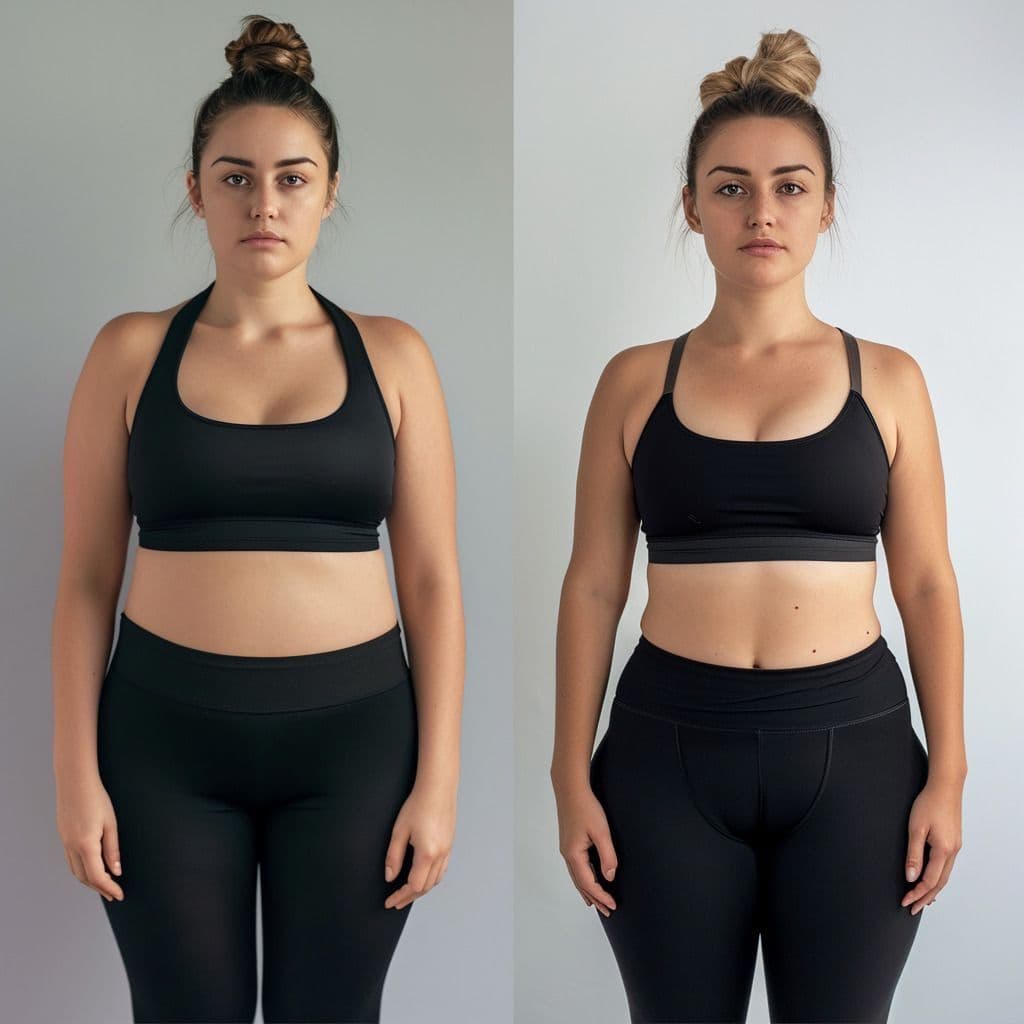
When most people say they want to “lose weight,” what they actually mean is that they want to lose fat. But weight loss and fat loss are not the same thing, and confusing the two is one of the biggest reasons people get frustrated on their fitness journey.
I’ve worked with many beginners and people actively trying to lose weight, and I’ve seen this pattern play out time and time again: someone steps on the scale, sees a drop, celebrates, and then wonders why their body still looks the same. That’s because the scale doesn’t tell the whole story.
Weight Loss vs Fat Loss: What’s the Difference?
Weight loss is simply a reduction in your total body mass, which can include water, muscle, glycogen (stored carbohydrates), and fat. Fat loss, on the other hand, specifically means reducing body fat percentage.
The key difference is that weight loss can happen quickly through water loss or reduced food intake, while fat loss is slower and requires consistent nutrition and training habits.
A common example is the “scale drop” that happens when someone starts a low-carb diet. In the first week, the weight may drop by 3–5 pounds, but most of that loss is water, not fat.
Carbohydrates are stored with water in your muscles and liver, so when carbs decrease, the body releases water. This is why the scale can be misleading, especially in the early stages of a diet.
Why Muscle Matters More Than You Think
Another major misconception is the fear that building muscle will make you bulky. For beginners, especially women, this concern is very common. In reality, muscle is one of your best allies in fat loss.
Muscle increases your metabolism and improves body composition, which is the real goal. When you lose weight without strength training, you risk losing muscle mass instead of just fat.
I once worked with a client who lost 10kg in three months through dieting alone. At first, she was excited. But soon she noticed her clothes still didn’t fit well, her energy dropped, and her body looked softer.
She had lost weight, but she had also lost muscle. This made it easier to regain the weight later and harder to maintain results. That experience reinforced a critical lesson: fat loss should always be the priority, not just weight loss.
Why the Scale Can’t Measure Real Progress
If you’re only tracking the scale, you’re missing the bigger picture. Instead of obsessing over numbers, pay attention to how your body feels and performs.
Signs of real fat loss include clothes fitting better, improved strength and endurance, better sleep and energy levels, reduced cravings, and visible changes in body shape.
Progress photos are especially useful for beginners. I often ask clients to take a photo at the start and compare it after four to six weeks. Even when the scale hasn’t moved much, the visual changes are often obvious.
Calories Matter — But Food Quality Matters More
Calories do matter, but not all calories are equal. The quality of food you eat affects your hunger, energy levels, and ability to stick to a plan.
When beginners focus only on calories, they often choose restrictive diets that aren’t sustainable. Research consistently shows that diets higher in protein and fibre help keep you full longer and protect muscle mass.
The best fat-loss plans include lean proteins like chicken, fish, beans, and eggs, alongside whole grains, healthy fats, vegetables, and plenty of water. This approach supports a moderate calorie deficit — the safest and most effective way to lose fat.
The Role of Exercise in Fat Loss
Cardio is great for heart health and burning calories, but strength training is what truly changes body composition.
Strength training builds muscle, increases metabolism, and improves overall strength — all of which support long-term fat loss.
Beginners should focus on simple compound movements such as squats, push-ups, lunges, rows, and deadlifts. Heavy weights are not required at the start; proper form and consistency matter far more.
Common Fat-Loss Mistakes Beginners Make
There are a few patterns I see repeatedly. Many people rely only on cardio and skip strength training. Others cut calories too aggressively, leading to muscle loss and a slower metabolism.
Some expect fast results and quit when progress slows. Others forget that rest and recovery are part of the process, which often leads to burnout.
Fat loss is not a quick fix. It’s a slow, steady process that rewards patience and consistency.
Final Thoughts: Focus on Fat Loss, Not Just Weight
If you want lasting results, you need to shift your mindset from simply “losing weight” to losing fat and building a healthier body.
Focus on balanced nutrition, strength training, and habits you can maintain long term. Take a progress photo today, start a simple strength routine, and track your progress over four to six weeks.
Don’t rely on the scale alone. Pay attention to how you feel, how your clothes fit, and how strong you become.
At Eugym Fitness, we’re here to support your journey with realistic plans, expert coaching, and a community that keeps you motivated. If you’re ready to transform your body the right way, start today — and stay consistent.