Latest Articles

The Ultimate Beginner’s Guide to Fitness: How to Start and Stay Consistent
Jan 27, 2026 • 5–8 minutes Read
Starting a fitness journey can feel intimidating. Between social media transformations, complicated workout routines, and endless nutrition advice, many beginners assume they need to change everything at once.
The reality is much simpler and far more encouraging. Fitness isn’t about extremes or perfection; it’s about building habits that support your body, mind, and lifestyle over time. Whether you’re exercising for the first time or trying to restart after a long break, this guide breaks fitness down into practical, realistic steps that help you begin confidently and stay consistent.
Fitness Begins With Mindset, Not Motivation
Before you step into a gym or download a workout app, the most important foundation to build is your mindset. Fitness is not a short-term project or a quick fix; it’s a long-term relationship with your health.
Motivation may get you started, but it won’t always be there to carry you through. Some days will feel effortless, while others will require discipline and patience. That’s normal.
Progress doesn’t always show up as visible changes in the mirror. Sometimes it shows up as better energy, improved mood, or simply the fact that you kept going when it would have been easier to stop. Approaching fitness with patience and self-compassion makes consistency far more achievable.
Set Goals That Support Your Lifestyle
Clear goals give your fitness journey direction, but the most effective goals are realistic and personal. Instead of focusing solely on outcomes like weight loss or body shape, beginners benefit from setting goals that emphasise habits and consistency.
Goals such as exercising a few times a week, increasing daily movement, or improving sleep and energy levels are easier to maintain and track. These small, achievable milestones build confidence and create momentum.
As your fitness improves, your goals can naturally evolve alongside your progress.
Choosing the Right Workouts as a Beginner
One of the biggest mistakes beginners make is doing too much too soon. High-intensity workouts may look impressive, but they can quickly lead to burnout or injury when your body isn’t prepared.
The best workout routine is one that feels manageable and enjoyable. Beginner-friendly activities like walking, light jogging, bodyweight exercises, cycling, swimming, or yoga are excellent places to start.
These forms of movement build strength, endurance, and mobility without overwhelming the body. A balanced routine that includes both strength training and cardiovascular activity helps improve overall fitness while reducing injury risk.
Creating a Routine That Sticks
Consistency matters more than intensity. A simple routine that fits into your daily life will always outperform a complex plan you can’t maintain.
Short workouts around 20 to 30 minutes are often enough to see results when done consistently. Scheduling workouts at a time that works best for you helps turn exercise into a habit rather than a daily decision.
On busy days, even a short walk or light stretching session counts. Fitness doesn’t require perfection; it requires participation.
Nutrition: Fuel, Not Restriction
Nutrition plays a key role in how you feel, move, and recover, but it doesn’t need to be complicated. For beginners, the focus should be on nourishment rather than restriction.
Extreme diets and rigid rules are rarely sustainable and often lead to frustration. Balanced meals that include protein, carbohydrates, healthy fats, and plenty of fruits and vegetables provide the energy your body needs to perform and recover.
Staying hydrated throughout the day also supports overall health. Rather than aiming for flawless eating habits, focus on making better choices most of the time and allowing flexibility where needed.
Mental Well-Being and Recovery Matter
Fitness is not just physical; it has a powerful impact on mental and emotional health. Regular movement can reduce stress, improve mood, and boost confidence, but only when balanced with adequate recovery.
Rest days allow muscles to repair and grow, while proper sleep supports both physical performance and mental clarity. Light stretching, breathing exercises, or mindfulness practices can further enhance recovery.
Listening to your body and respecting its limits is a critical part of long-term success.
Staying Consistent When Motivation Drops
Motivation is helpful, but it’s not reliable. Everyone experiences days when exercise feels like a struggle. What keeps people consistent is routine, not willpower.
Tracking progress in ways that go beyond the scale—such as improved stamina, better sleep, or increased strength—can be incredibly motivating.
Celebrating small wins reinforces positive habits and helps maintain momentum. Over time, fitness becomes less about pushing yourself and more about showing up for yourself.
Avoiding Common Beginner Pitfalls
Many beginners quit because they expect fast results or compare themselves to others. Progress is rarely linear, and setbacks are part of the process.
Skipping warm-ups, ignoring rest, or following overly strict plans can lead to injury or burnout. Consistency, patience, and adaptability are far more important than intensity.
Make Fitness Enjoyable and Personal
The most effective fitness routine is one you enjoy. Movement doesn’t have to be limited to traditional workouts. Dancing, hiking, sports, or active hobbies all contribute to better health.
When fitness feels enjoyable rather than obligatory, it naturally becomes part of your lifestyle. Allow your routine to evolve with your interests, and don’t be afraid to try new activities along the way.
Final Thoughts
Starting a fitness journey is one of the most empowering steps you can take for your overall well-being. You don’t need perfect discipline, expensive equipment, or an ideal starting point.
What matters is taking the first step and continuing, even when progress feels slow. With a supportive mindset, realistic goals, balanced nutrition, and a sustainable routine, fitness becomes more than a habit—it becomes a way of caring for yourself, one day at a time.
Weight Loss vs Fat Loss: What Most People Get Wrong
Jan 28, 2026 • 5–8 minutes
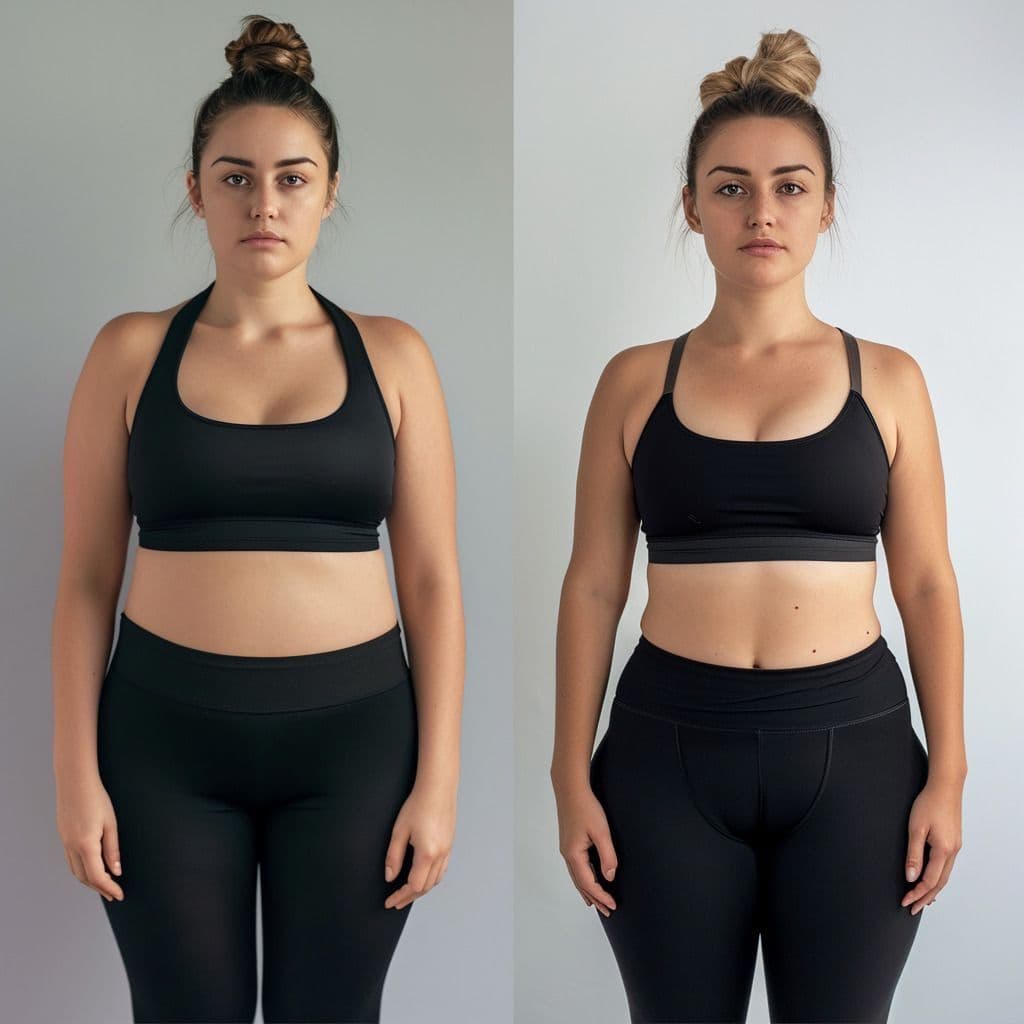
When most people say they want to “lose weight,” what they actually mean is that they want to lose fat. But weight loss and fat loss are not the same thing, and confusing the two is one of the biggest reasons people get frustrated on their fitness journey.
I’ve worked with many beginners and people actively trying to lose weight, and I’ve seen this pattern play out time and time again: someone steps on the scale, sees a drop, celebrates, and then wonders why their body still looks the same. That’s because the scale doesn’t tell the whole story.
Weight Loss vs Fat Loss: What’s the Difference?
Weight loss is simply a reduction in your total body mass, which can include water, muscle, glycogen (stored carbohydrates), and fat. Fat loss, on the other hand, specifically means reducing body fat percentage.
The key difference is that weight loss can happen quickly through water loss or reduced food intake, while fat loss is slower and requires consistent nutrition and training habits.
A common example is the “scale drop” that happens when someone starts a low-carb diet. In the first week, the weight may drop by 3–5 pounds, but most of that loss is water, not fat.
Carbohydrates are stored with water in your muscles and liver, so when carbs decrease, the body releases water. This is why the scale can be misleading, especially in the early stages of a diet.
Why Muscle Matters More Than You Think
Another major misconception is the fear that building muscle will make you bulky. For beginners, especially women, this concern is very common. In reality, muscle is one of your best allies in fat loss.
Muscle increases your metabolism and improves body composition, which is the real goal. When you lose weight without strength training, you risk losing muscle mass instead of just fat.
I once worked with a client who lost 10kg in three months through dieting alone. At first, she was excited. But soon she noticed her clothes still didn’t fit well, her energy dropped, and her body looked softer.
She had lost weight, but she had also lost muscle. This made it easier to regain the weight later and harder to maintain results. That experience reinforced a critical lesson: fat loss should always be the priority, not just weight loss.
Why the Scale Can’t Measure Real Progress
If you’re only tracking the scale, you’re missing the bigger picture. Instead of obsessing over numbers, pay attention to how your body feels and performs.
Signs of real fat loss include clothes fitting better, improved strength and endurance, better sleep and energy levels, reduced cravings, and visible changes in body shape.
Progress photos are especially useful for beginners. I often ask clients to take a photo at the start and compare it after four to six weeks. Even when the scale hasn’t moved much, the visual changes are often obvious.
Calories Matter — But Food Quality Matters More
Calories do matter, but not all calories are equal. The quality of food you eat affects your hunger, energy levels, and ability to stick to a plan.
When beginners focus only on calories, they often choose restrictive diets that aren’t sustainable. Research consistently shows that diets higher in protein and fibre help keep you full longer and protect muscle mass.
The best fat-loss plans include lean proteins like chicken, fish, beans, and eggs, alongside whole grains, healthy fats, vegetables, and plenty of water. This approach supports a moderate calorie deficit — the safest and most effective way to lose fat.
The Role of Exercise in Fat Loss
Cardio is great for heart health and burning calories, but strength training is what truly changes body composition.
Strength training builds muscle, increases metabolism, and improves overall strength — all of which support long-term fat loss.
Beginners should focus on simple compound movements such as squats, push-ups, lunges, rows, and deadlifts. Heavy weights are not required at the start; proper form and consistency matter far more.
Common Fat-Loss Mistakes Beginners Make
There are a few patterns I see repeatedly. Many people rely only on cardio and skip strength training. Others cut calories too aggressively, leading to muscle loss and a slower metabolism.
Some expect fast results and quit when progress slows. Others forget that rest and recovery are part of the process, which often leads to burnout.
Fat loss is not a quick fix. It’s a slow, steady process that rewards patience and consistency.
Final Thoughts: Focus on Fat Loss, Not Just Weight
If you want lasting results, you need to shift your mindset from simply “losing weight” to losing fat and building a healthier body.
Focus on balanced nutrition, strength training, and habits you can maintain long term. Take a progress photo today, start a simple strength routine, and track your progress over four to six weeks.
Don’t rely on the scale alone. Pay attention to how you feel, how your clothes fit, and how strong you become.
At Eugym Fitness, we’re here to support your journey with realistic plans, expert coaching, and a community that keeps you motivated. If you’re ready to transform your body the right way, start today — and stay consistent.
How Often Should You Work Out? A Science-Backed Fitness Schedule
Jan 27, 2026 • 5–8 minutes
One of the most searched questions in fitness is also one of the most misunderstood: how often should you work out?
Some people feel they need to exercise every day to see results. Others train inconsistently because they’re unsure what actually works. For beginners, this confusion can stop progress before it even begins. For intermediate gym-goers, a lack of structure often leads to plateaus.
The reality is that effective training isn’t about frequency alone; it’s about balancing strength training, cardio, and recovery in a way that’s supported by exercise science and sustainable in real life.
In this guide, we’ll break down exactly how often you should work out each week, based on scientific principles, and show how to structure your routine whether you’re just starting out or already training regularly.
What Science Says About Workout Frequency
Exercise science consistently shows that the body improves through a cycle of stress and recovery. Training provides the stimulus, but adaptation, muscle growth, strength gains, and improved endurance happen during rest.
Studies and global health guidelines suggest that a balanced fitness routine should include regular resistance training for muscular strength, consistent cardiovascular exercise for heart health, and adequate recovery to prevent overtraining and injury.
Rather than chasing daily workouts, the goal is to apply the right amount of training, spread evenly across the week, and supported by proper rest.
Strength Training: How Many Days Per Week Is Ideal?
Strength training forms the foundation of a well-rounded fitness program. It supports fat loss, muscle development, bone density, posture, and long-term metabolic health.
From a science-backed perspective, training each major muscle group two to three times per week is effective for most people.
For beginners, two to three full-body strength sessions per week are usually enough to build strength and coordination without overwhelming the body. Recovery is essential at this stage.
Intermediate gym-goers benefit from three to four strength training sessions per week, often using split routines that target different muscle groups on different days.
What matters most isn’t how many days you lift, but how well those sessions are planned and progressively overloaded over time.
Cardio Training: How Often Should You Do Cardio?
Cardiovascular exercise improves heart health, endurance, calorie expenditure, and overall fitness capacity.
Most scientific guidelines recommend moderate-intensity cardio three to five times per week for general health and weight management.
Beginners can start with two to three cardio sessions per week, focusing on manageable activities like brisk walking, cycling, or steady treadmill sessions.
Intermediate trainees may perform three to four cardio sessions weekly, combining steady-state cardio with occasional higher-intensity sessions.
Recovery Days: Why Rest Is Non-Negotiable
Recovery is often overlooked, yet it’s one of the most critical components of any fitness schedule.
Most people need one to two rest or active recovery days per week. Active recovery may include light walking, stretching, mobility work, or other low-intensity movement.
If performance drops, motivation fades, or soreness never improves, it’s often a recovery issue rather than a motivation problem.
Final Thoughts: Build a Routine You Can Sustain
So, how often should you work out? Often enough to challenge your body, but not so much that you prevent recovery.
A balanced schedule that includes strength training, cardio, and rest will always outperform extreme or inconsistent routines.
At Eugym Fitness, we believe smart training is sustainable training. Build a routine that fits your lifestyle, supports recovery, and helps you progress with confidence.

Personal Trainer vs Group Training: Which Is Better for You?
Jan 27, 2026 • 5–8 minutes Read
Deciding to join a gym is a big step, but the real question many people face is what kind of training will help them achieve their goals. When it comes to choosing between a personal trainer and group training, the decision isn’t always obvious.
Both options are effective, but the best choice depends on your personality, fitness level, and what motivates you to stay consistent. Whether you’re a beginner or an intermediate gym-goer, understanding the benefits of each option can help you make a confident decision.
At Eugym Fitness, we believe that fitness should be personalized and sustainable. The key is finding a training method that supports your wellness goals and keeps you excited to show up.
Personal Training: A Tailored Fitness Approach
Personal training is ideal for people who want a structured and personalized fitness plan. When you work with a personal trainer, your workouts are designed specifically for your body, fitness level, and goals.
A trainer can correct your form, adjust exercises based on your progress, and help you stay accountable through every stage of your journey.
One of the biggest benefits of personal training is one-on-one attention. For beginners, this often leads to faster learning, improved confidence, and a reduced risk of injury.
For intermediate gym-goers, personal training can help break plateaus and introduce new programming to keep progress moving forward. It’s also a strong option for people with specific goals such as weight loss, strength gains, or improved mobility.
Beyond the gym, personal trainers often support overall wellness by encouraging better recovery habits, sleep routines, and nutrition strategies. This makes personal training more than just exercise — it becomes a lifestyle change.
Group Training: Motivation Through Community Energy
Group training offers a completely different experience. Whether it’s HIIT classes or strength circuit sessions, training in a group setting provides built-in motivation and a strong sense of community.
Group workouts are structured and easy to follow, making them a great choice for people who want consistency without planning their own workouts.
The social aspect of group training is one of its strongest benefits. Working out alongside others can boost motivation and help you stay committed, especially on days when motivation is low.
Group training also makes the gym environment feel less intimidating, particularly for beginners who may feel unsure about exercising alone. The shared energy often pushes people to work harder and stay engaged.
Beyond physical benefits, group training supports overall wellness by combining movement with social interaction. This can improve mood, reduce stress, and support long-term consistency.
Which Option Is Better for You?
There is no single “best” option. Both personal training and group training offer unique advantages, and the right choice depends on what helps you stay consistent.
If you prefer individualized coaching, have specific goals, or want a plan tailored to your needs, personal training may be the best fit. If you thrive in social settings, enjoy structured classes, and prefer a high-energy environment, group training may be more effective.
For many people, a combination of both works best. Personal training can build a strong foundation and improve technique, while group training adds motivation, variety, and enjoyment.
How to Decide Between Personal Training and Group Training
When making your decision, consider what keeps you consistent. Think about your motivation style, schedule, and fitness goals.
If you need accountability and guidance, personal training may help you stay on track. If you enjoy community and thrive on group energy, group training may be the key to maintaining consistency.
Ultimately, the most effective workout is the one you enjoy and can stick with long-term.
Final Thoughts: There’s No Wrong Choice
Both personal training and group training can lead to excellent results. The best option is the one that fits your lifestyle and supports your wellness goals.
Consistency is what matters most. As long as you stay committed, both options can help you build strength, improve fitness, and enhance overall well-being.
At Eugym Fitness, we offer both personal training and group training options to help you find what works best for you. If you’re unsure which approach fits your journey, our trainers are here to guide you.
Ready to Get Started?
If you’re unsure which option is right for you, book a free consultation at Eugym Fitness. Our experienced trainers will help you build a fitness plan that aligns with your goals, lifestyle, and fitness level.
Top Fitness Mistakes Preventing Results (And How to Fix Them)
Jan 28, 2026 • 5–8 minutes Read
One of the most frustrating experiences in fitness is putting in the work and not seeing the results you expected. You show up consistently, you train hard, and yet progress feels slow or non-existent.
The truth is, results don’t just come from effort — they come from smart effort. Many people unknowingly sabotage their progress through common fitness mistakes.
The good news is that these mistakes are usually easy to fix once you know what they are. Whether you’re a beginner or an intermediate gym-goer, the key to real progress is understanding how training, nutrition, and recovery work together.
In this guide, we’ll explore the most common fitness mistakes preventing results and provide simple, science-backed fixes you can apply right away.
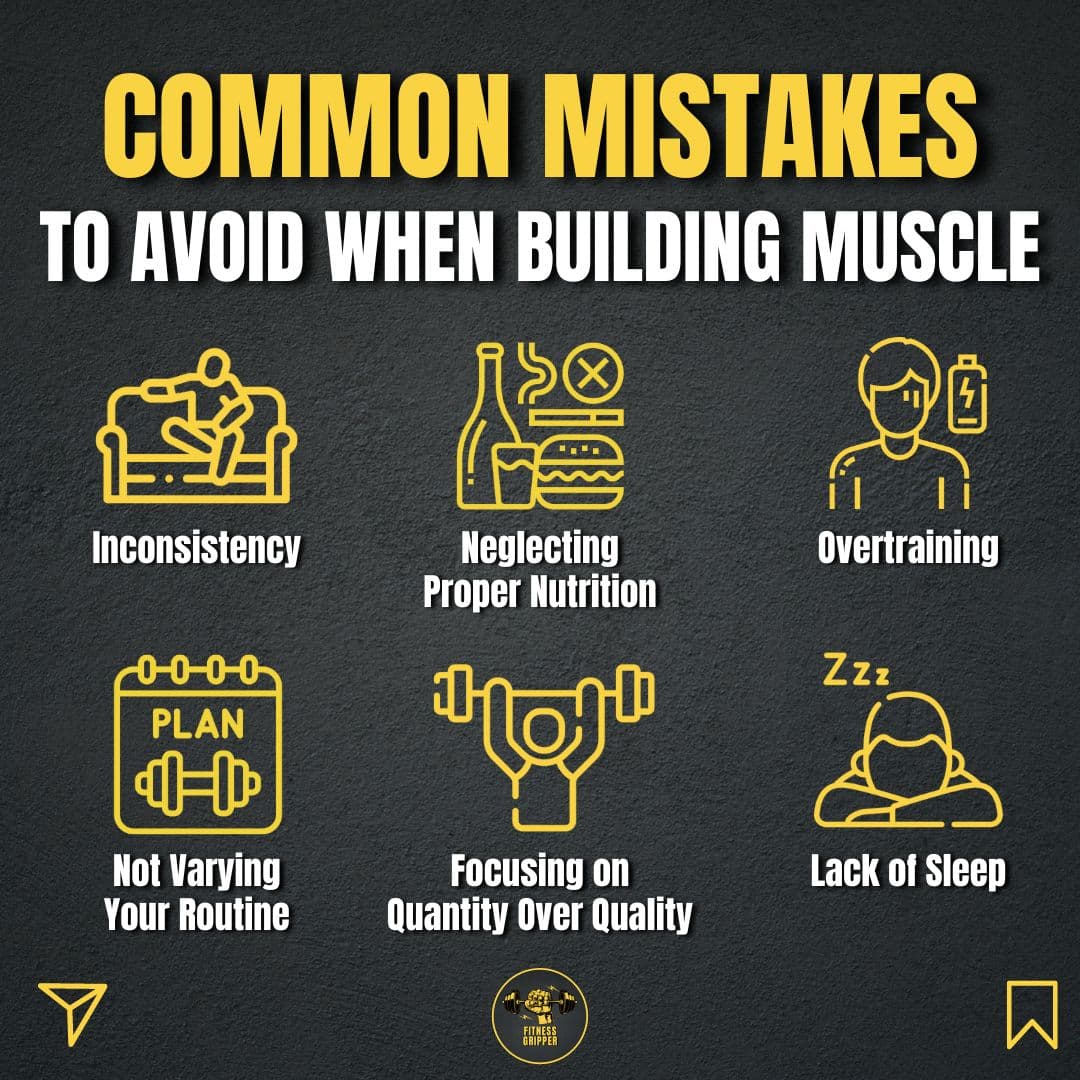
Mistake 1: Training Without a Clear Plan
One of the biggest reasons people don’t see results is training without a structured plan. Many gym-goers walk in and pick random exercises based on what feels good that day.
While this can be enjoyable, it rarely leads to consistent progress. A fitness plan gives your workouts purpose and ensures you’re targeting the right muscle groups, progressing over time, and balancing training with recovery.
Without a plan, it’s easy to repeat the same routines without improvement or miss key elements of effective training.
Fix: Create a simple weekly structure. Include both strength training and cardio, and aim for consistent training days. If you’re unsure how to plan your workouts, a personal trainer or structured group class can provide direction and accountability.
Mistake 2: Not Tracking Progress
If you’re not tracking progress, it’s hard to know whether your training is actually working. Many people rely only on how they feel or look, which can be misleading and slow to change.
Tracking doesn’t need to be complicated. Simple notes on weights lifted, reps completed, cardio time, or energy levels can reveal important trends.
Fix: Start a basic workout log or use a fitness app. Track workouts, weights, reps, and cardio performance so you can measure progress and make informed adjustments.
Mistake 3: Overtraining or Under-Recovering
Many people believe that more training automatically leads to faster results. In reality, overtraining often leads to fatigue, stalled progress, and increased injury risk.
Recovery is when your body adapts and becomes stronger. Without enough sleep, rest, and proper nutrition, your body can’t repair muscles or replenish energy stores.
Fix: Include one to two rest or active recovery days per week. Prioritise sleep and hydration, and adjust training if constant soreness or fatigue persists.
Mistake 4: Ignoring Nutrition and Hydration
Training alone won’t produce results if your nutrition and hydration are inconsistent. Diet plays a major role in performance, recovery, and body composition.
Without proper fuel, your body struggles to perform, recover, or build muscle. Hydration also affects energy levels, focus, and recovery.
Fix: Focus on balanced meals with protein, carbohydrates, and healthy fats. Drink enough water throughout the day, especially before and after workouts.
Mistake 5: Not Progressing or Increasing Intensity
Progress only happens when your body is challenged beyond its current capacity. Repeating the same weights, reps, and workouts for months leads to adaptation and stalled results.
Progress doesn’t require pushing to failure every session. Small increases in weight, reps, or intensity over time are enough to drive improvement.
Fix: Apply progressive overload. Gradually increase weight, reps, or workout difficulty. Group classes like HIIT can also help increase intensity in a structured way.
Mistake 6: Skipping Warm-Ups and Mobility Work
Skipping warm-ups and mobility work can negatively impact performance and increase injury risk. Warming up prepares your body by increasing blood flow and improving range of motion.
Mobility work supports joint health and movement quality. Ignoring it can make workouts feel harder and limit long-term progress.
Fix: Spend 5–10 minutes warming up before each workout. Include dynamic movements and light cardio, and add mobility work at least twice per week.
Mistake 7: Lack of Consistency
Consistency is the most powerful driver of fitness results. Even the best plan won’t work if you don’t stick with it.
Consistency doesn’t mean perfection. It means showing up regularly and doing what you can, even on busy or low-motivation days.
Fix: Build a realistic schedule that fits your lifestyle. Start with manageable training days and increase gradually. Group classes and scheduled sessions can help create structure and accountability.
Final Thoughts: Small Changes, Big Results
Fitness progress isn’t always fast or dramatic, but it is achievable when you train smart and stay consistent. The mistakes above are common — and they’re also fixable.
By following a structured plan, tracking progress, prioritising recovery, and improving nutrition, you can unlock the results you’ve been working toward.
At Eugym Fitness, we believe everyone can achieve their goals with the right support and structure. Whether you prefer personal training or group classes, our team is here to help you train smarter.
Ready to Make Real Progress?
If you’re tired of feeling stuck and want a structured plan that fits your goals, try a class at Eugym Fitness. Our experienced trainers and supportive community will help you build a routine that works for your lifestyle and keeps you motivated.

Fitness Beyond the Gym: How Lifestyle, Sleep, and Stress Affect Your Results
Jan 27, 2026 • 5–8 minutes Read
Many people think fitness is only about what happens inside the gym — the workouts, the sets, the reps, and the cardio sessions. While training is crucial, it’s only part of the equation.
What you do outside the gym can significantly influence your results, sometimes even more than the workouts themselves. If you’ve ever felt like you’re training hard but not seeing the progress you expected, lifestyle factors like sleep, stress, and daily habits may be the missing pieces.
Fitness is not just a physical journey; it’s a lifestyle journey. Understanding how these elements impact your performance and recovery is key to unlocking consistent progress.
In this guide, we’ll explore how lifestyle, sleep, and stress affect your results and what you can do to improve them.
Why Lifestyle Matters More Than You Think
Your daily habits shape the environment your body uses to adapt to training. Even the most effective workout program can fall short if your lifestyle doesn’t support recovery and energy levels.
Nutrition, movement, work habits, and social life all play a role in how your body responds to training. For beginners, lifestyle factors can determine whether the gym feels sustainable or like a temporary burst of motivation.
For intermediate gym-goers, lifestyle choices often make the difference between breaking plateaus and staying stuck. Fitness is not only about what you do in the gym; it’s about how you live the rest of your life.
Sleep: The Foundation of Recovery
Sleep is the most powerful recovery tool available. It’s during sleep that your body repairs muscle tissue, regulates hormones, and restores energy levels.
Without sufficient sleep, workouts feel harder, performance drops, and motivation fades. Sleep also affects hunger hormones and stress responses, which can influence body composition and energy balance.
When sleep is poor, cravings often increase and willpower becomes harder to maintain. This can lead to inconsistent nutrition and reduced training performance.
Aiming for 7–9 hours of sleep per night is a great starting point for most people. Quality matters just as much as quantity. Consistent sleep routines and reduced screen time before bed can significantly improve recovery and results.
Stress: How It Affects Your Fitness Progress
Stress is a normal part of life, but chronic stress can interfere with fitness progress. High stress levels increase fatigue, disrupt recovery, and reduce motivation.
Stress doesn’t only come from work or school. It can also come from relationships, financial pressure, or even overtraining. When the body is constantly stressed, it has less energy to dedicate to muscle repair and performance improvements.
Managing stress doesn’t mean eliminating it. It means reducing its impact. Simple practices like deep breathing, mindfulness, walking, or spending time outdoors can significantly improve recovery and training response.
Nutrition and Daily Habits: Supporting Your Results
Nutrition is one of the most important lifestyle factors for fitness results. Without proper fuel, your body cannot train effectively, recover efficiently, or build muscle.
Daily habits such as meal timing, hydration, and balanced food choices play a major role in energy levels and performance. Small improvements in these areas can create noticeable progress over time.
Many people underestimate how much daily movement matters. Walking, mobility work, and staying active outside the gym improve circulation, reduce stress, and support recovery.
How to Improve Lifestyle for Better Fitness Results
Improving lifestyle factors doesn’t need to be complicated. Small, consistent changes often lead to the biggest results. Start by prioritising sleep and stress management, then refine nutrition and daily habits.
Beginners can focus on one or two changes at a time. Intermediate gym-goers can use lifestyle optimisation to break plateaus and maintain long-term progress.
A simple approach is building routines that support recovery and consistency, such as regular bedtimes, balanced meals, and short stress-management practices. Fitness is a lifestyle, not a short-term activity.
Final Thoughts: Training Is Only One Piece of the Puzzle
Your results in the gym are heavily influenced by what happens outside the gym. Sleep, stress management, nutrition, and daily movement shape your body’s ability to recover and improve.
If you’re training hard but not seeing progress, evaluating your lifestyle habits may be the missing link. Improving these factors can unlock better performance, more energy, and sustainable results.
At Eugym Fitness, we believe fitness is about more than workouts. It’s about creating a balanced lifestyle that supports your goals and overall well-being.
Ready to Improve Your Fitness Beyond the Gym?
If you want guidance on building a fitness routine that fits your lifestyle, try a class at Eugym Fitness. Our experienced trainers will help you create a plan that improves consistency, recovery, and long-term results.